
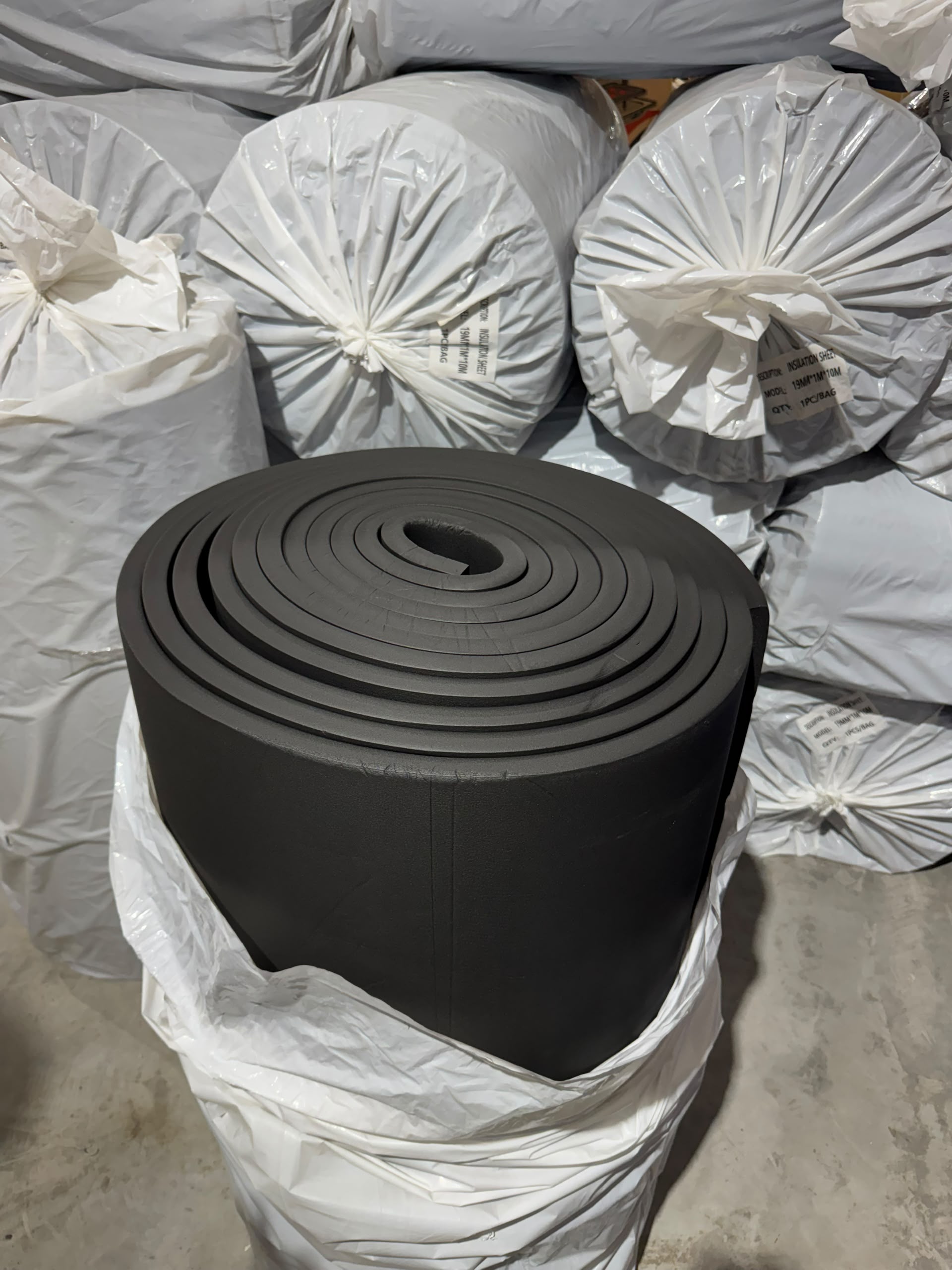
Rubber Foam Insulation Sheet Roll
Some surfaces are too big or too oddly shaped for tube insulation. Supply ducts, chilled water tanks, large valves and wide pipes all need a sheet that can be cut to fit. Rubber foam insulation sheet does that…
- Covers large surfaces.
- Cut to any shape.
- Stops sweating.
- Flexible foam.
- Matches pipe insulation.
Prices on request. We confirm stock, price and delivery when you get in touch.
In stock
- Same-day deliveryOn confirmed orders, subject to stock
- Genuine productsTrusted brands for industry
- Technical adviceHelp choosing the right part
- Industrial Area, NairobiDar es Salaam Road, off Enterprise Road
Rubber Foam Insulation Sheet for Ducts, Tanks and Large Pipes
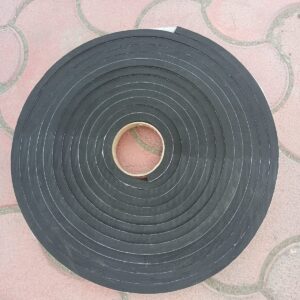
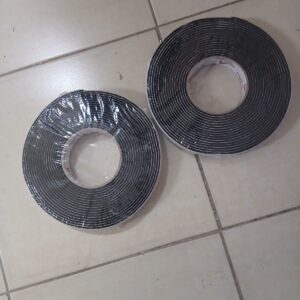
Some surfaces are too big or too oddly shaped for tube insulation. Supply ducts, chilled water tanks, large valves and wide pipes all need a sheet that can be cut to fit. Rubber foam insulation sheet does that job. It comes as a flexible black roll that you cut, shape and bond over the surface. At Wisdo Merchants, we supply it to AC contractors, refrigeration engineers and maintenance teams across Nairobi and Kenya.
Like rubber pipe insulation, the sheet is a closed-cell foam. Its sealed cells slow heat transfer and resist moisture. As a result, cold ducts and tanks stay dry on the outside and lose less cooling.
Features and Benefits of the Rubber Foam Insulation Sheet
- Covers large surfaces. One roll insulates ducts, tanks and wide pipes that tubes cannot fit.
- Cut to any shape. A sharp knife shapes it around flanges, bends and valves.
- Stops sweating. It keeps cold surfaces above the dew point, so water does not drip.
- Flexible foam. It wraps around curved surfaces without cracking.
- Matches pipe insulation. The black finish matches rubber pipe insulation for a uniform look.
For contractors, this means one material for every awkward surface on site. Meanwhile, owners get dry plant rooms and lower energy losses.
Key Terms Explained
- Closed-cell foam: Foam made of sealed bubbles that resists water and air.
- Sheet thickness: The depth of the foam. Thicker sheet insulates better and suits colder surfaces.
- Contact adhesive: A glue applied to both surfaces, left to become tacky, then pressed together.
- Dew point: The temperature at which moisture in the air turns to water on a cold surface.
Technical Specifications
| Property | Value |
|---|---|
| Product | Rubber foam insulation sheet |
| Material | Closed-cell rubber foam |
| Colour | Black |
| Supplied as | Roll |
| Thickness and roll size | Ask our team for the sizes in stock |
| Typical use | Insulating ducts, tanks, large pipes and cold surfaces |
Applications of the Rubber Foam Insulation Sheet and How to Use It
Air conditioning
- Supply and return air ducts
- Fan coil units and plenums
- Large-diameter chilled water pipes
Refrigeration
- Chilled water and glycol tanks
- Large valves and pipe fittings
- Evaporator drip trays and cold surfaces
Buildings and industry
- Plant room equipment
- Process cooling vessels
- Pipes too large for tube insulation
Acoustic and general use
- Reducing duct noise and rattles
- Padding and gasket material
Insulating a Chilled Water Tank
Picture a contractor insulating a chilled water tank in a hotel plant room. First, they clean and dry the tank surface. Next, they measure each panel and cut the sheet to size. After that, they apply contact adhesive to the tank and the sheet, wait until it is tacky, and press the sheet firmly in place. Finally, they seal every seam with foam tape so no cold metal is exposed.
Products to Use with It
Seal the seams with our self-adhesive rubber foam tape. For pipe runs, use our Superlon insulation pipe, and for duct joints, our aluminium tape.
Safety and Handling
- Use a sharp blade. Cut on a firm surface and keep hands clear of the blade.
- Ventilate when gluing. Contact adhesives give off fumes, so work in a ventilated area.
- Keep away from flames. Do not cut or glue near brazing or open flames.
- Seal all seams. Open seams let condensation form under the sheet.
Frequently Asked Questions
What is rubber foam insulation sheet used for?
Insulating ducts, tanks, large pipes and other cold surfaces where tube insulation will not fit.
How do I fix it in place?
Use a suitable contact adhesive on both surfaces, then press the sheet firmly once the glue is tacky.
Which thickness do I need?
Colder surfaces and humid rooms need thicker sheet. Tell us the surface temperature and location, and we will advise.
Can I use it on round ducts?
Yes. The sheet is flexible and wraps around round ducts and vessels.
How do I seal the joints?
Butt the edges tightly and cover the seam with rubber foam tape.
Can I use it outdoors?
Yes, but protect it from direct sun with a cover or wrap so it lasts longer.
Does it reduce noise?
The foam can damp duct rattles and some noise, as well as insulating.
What sizes are available?
Ask our team for the thicknesses and roll sizes in stock.
How do I place an order?
Call, email or WhatsApp our sales team with the area to cover and the thickness you need. We will confirm stock and send a quote.
Order Rubber Foam Insulation Sheet from Wisdo Merchants
Insulate ducts, tanks and large pipes with one flexible material. You can also browse our insulation range.
Visit us: Dar es Salaam Road, Off Enterprise Road, Industrial Area, Nairobi
Call: +254 795 938305
WhatsApp: +254 795 938305
Email: sales@wisdomerchants.com
Reviews
There are no reviews yet.