
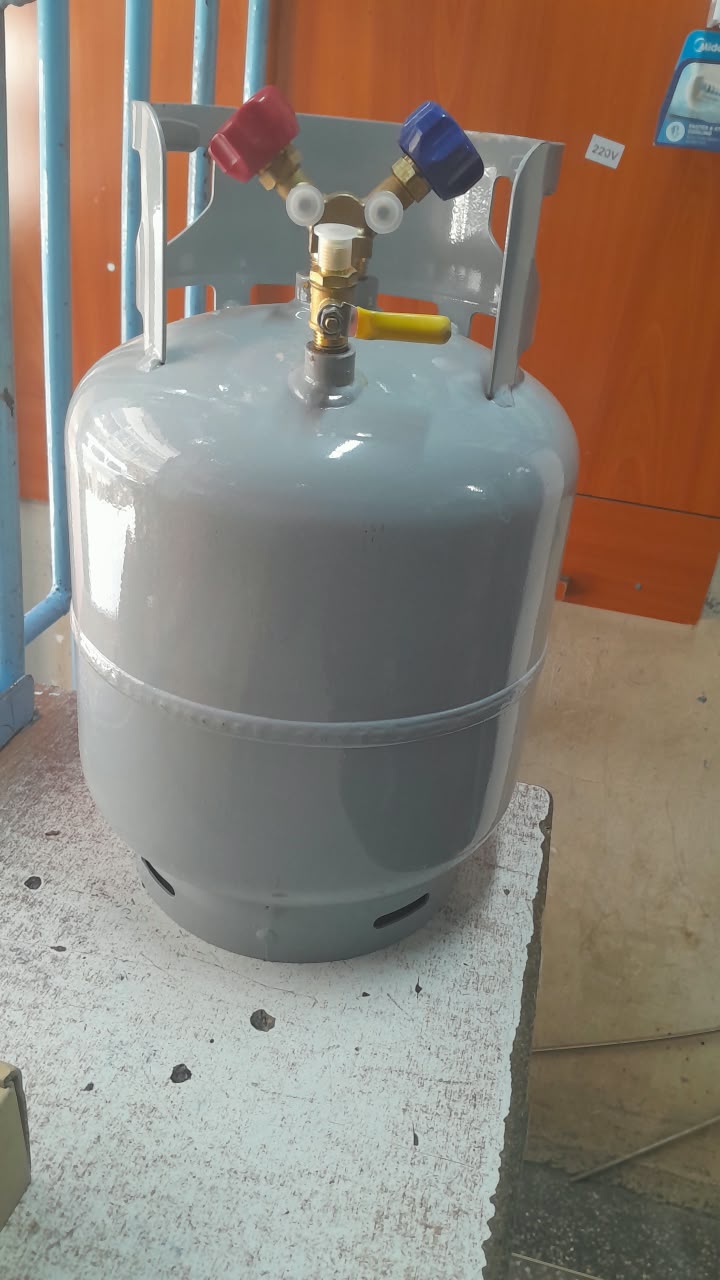
Refrigerant Recovery Cylinder
Before a technician opens a system to replace a compressor or repair a leak, the refrigerant inside has to go somewhere. Venting it wastes gas and harms the environment. A refrigerant recovery cylinder stores it safely instead. At…
- Dual-port valve.
- Protective guard.
- Refillable.
- Stable base.
- Keeps gas out of the air.
Prices on request. We confirm stock, price and delivery when you get in touch.
In stock
- Same-day deliveryOn confirmed orders, subject to stock
- Genuine productsTrusted brands for industry
- Technical adviceHelp choosing the right part
- Industrial Area, NairobiDar es Salaam Road, off Enterprise Road
Refrigerant Recovery Cylinder for AC and Refrigeration Service
Before a technician opens a system to replace a compressor or repair a leak, the refrigerant inside has to go somewhere. Venting it wastes gas and harms the environment. A refrigerant recovery cylinder stores it safely instead. At Wisdo Merchants, we supply recovery cylinders to AC technicians, refrigeration contractors and service workshops across Nairobi and Kenya.
This grey cylinder has a dual-port valve with a red liquid handwheel and a blue vapour handwheel, protected by a steel guard that doubles as a carry handle. Technicians connect it to a recovery machine or the system and transfer the gas in. Later, the gas can be reused where permitted or sent for reclamation.
Features and Benefits of the Refrigerant Recovery Cylinder
- Dual-port valve. Separate liquid (red) and vapour (blue) ports let you recover or remove gas as liquid or vapour.
- Protective guard. A steel collar protects the valve and serves as a handle.
- Refillable. The cylinder is reused job after job.
- Stable base. A foot ring keeps it upright on the workshop floor.
- Keeps gas out of the air. It stops refrigerant being vented during repairs.
For technicians, this means responsible, professional service work. Meanwhile, customers know their old gas is handled properly.
Key Terms Explained
- Refrigerant recovery: Removing refrigerant from a system into a cylinder rather than releasing it. Read more on refrigerants.
- Liquid port: The red valve, used for transferring refrigerant as a liquid.
- Vapour port: The blue valve, used for transferring refrigerant as a gas.
- Fill limit: The maximum safe amount of refrigerant, set by weight. Never overfill.
- Reclamation: Reprocessing used refrigerant to a clean standard.
Technical Specifications
| Property | Value |
|---|---|
| Product | Refrigerant recovery cylinder |
| Valve | Dual-port, red liquid and blue vapour handwheels |
| Finish | Grey painted steel |
| Protection | Steel valve guard and carry handle |
| Base | Foot ring |
| Capacity and test pressure | Ask our team and check the cylinder markings |
Always check the cylinder’s markings for its capacity, working pressure and test date before use.
Applications of the Refrigerant Recovery Cylinder and How to Use It
AC service
- Recovering gas before replacing a split AC compressor
- Recovering gas before coil or valve repairs
- Removing an overcharge from a system
Refrigeration
- Cold room and display chiller repairs
- Decommissioning old fridges and freezers
- Changing a system to a different refrigerant
Workshops
- Storing recovered gas for reuse or reclamation
- Keeping separate cylinders for different refrigerants
Recovering Gas Before a Compressor Change
Picture a technician replacing a burnt-out compressor on a cold room. First, they weigh the empty recovery cylinder and note the fill limit. Next, they connect the system, a recovery machine and the cylinder’s vapour or liquid port with charging hoses. After that, they run the recovery machine until the system is empty, watching the scale. Finally, they close the valves, label the cylinder with the gas type, and replace the compressor.
Products to Use with It
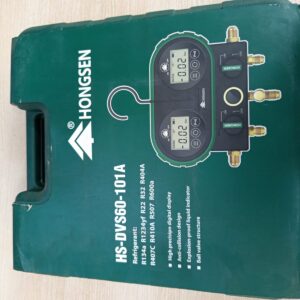
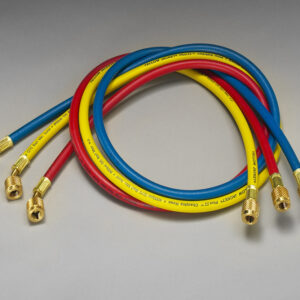
Connect it with our charging hoses set and read pressures with our refrigeration manifold gauge set. After repairs, evacuate with our vacuum pump and recharge with fresh gas such as R134a.
Safety and Handling
- Never overfill. Fill by weight and stay below the fill limit, as a full cylinder can burst when it warms.
- One gas per cylinder. Do not mix refrigerants; label each cylinder.
- Check the test date. Use only cylinders within their test period.
- Keep it cool and upright. Store away from sun and heat.
- Wear eye protection and gloves. Liquid refrigerant causes frostbite.
Frequently Asked Questions
What is a refrigerant recovery cylinder?
A refillable cylinder that stores refrigerant removed from a system instead of venting it.
What are the red and blue valves for?
Red is the liquid port and blue is the vapour port.
Can I mix different refrigerants in it?
No. Mixed gases cannot be reused easily. Keep one gas per cylinder and label it.
How full can I fill it?
Fill by weight to the limit on the cylinder markings, never by guesswork.
Do I need a recovery machine?
For most jobs, yes. The machine pumps the gas from the system into the cylinder.
What capacity is it?
Check the markings on the cylinder, or ask our team for the capacity of the cylinders in stock.
Can I reuse recovered gas?
Clean gas of one type can often be returned to the same system. Contaminated gas should be reclaimed.
Is it the same as a disposable gas cylinder?
No. Disposable cylinders must not be refilled. A recovery cylinder is built to be refilled.
How should I store it?
Upright, in a cool, shaded place, with the valves closed.
How do I place an order?
Call, email or WhatsApp our sales team. We will confirm stock and send a quote.
Order a Refrigerant Recovery Cylinder from Wisdo Merchants
Handle old refrigerant responsibly on every job. You can also browse our refrigeration tools and accessories.
Visit us: Dar es Salaam Road, Off Enterprise Road, Industrial Area, Nairobi
Call: +254 795 938305
WhatsApp: +254 795 938305
Email: sales@wisdomerchants.com
Reviews
There are no reviews yet.